Reducing interacting parts makes systems run more smoothly
For a brief period in early 2022, my partner and I lived in a tiny house.
This was a beautiful custom tiny house on wheels, built and delivered by the excellent company Aussie Tiny Houses. We placed the tiny house on a rural property, owned by a family we knew, adjacent to several vineyards.
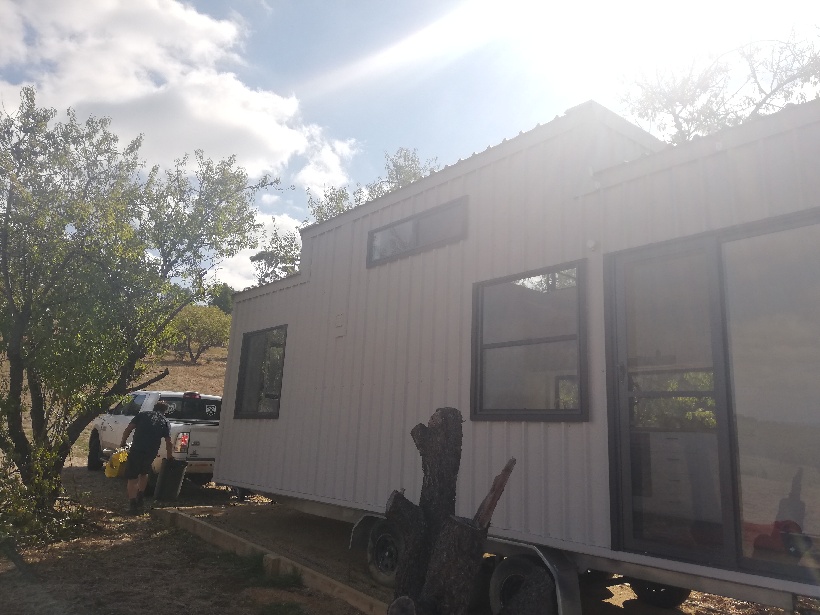
Exterior of the tiny house, in the process of being towed and positioned
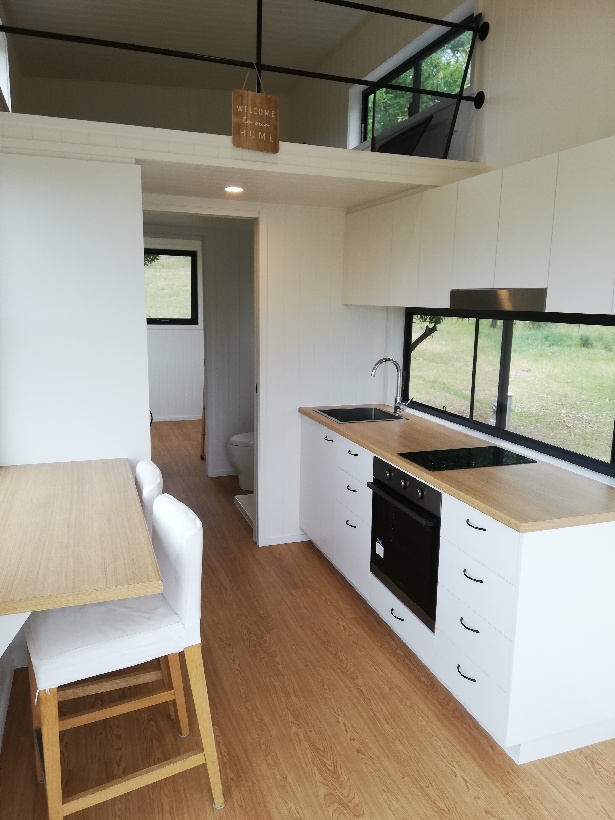
Interior of the tiny house - a fully equipped kitchen with storage space, a bathroom with shower and toilet, a rear bedroom, and a loft accessible by stairs
But our plan for living in the tiny house didn’t succeed! I wish it had - the tiny house and the land on which the tiny house had been positioned were both beautiful.
A key challenge we encountered was the many interlocking aspects of living in a tiny house. For example:
- The property itself, while only a 15 minute drive from suburbia, was still out of the way. With only one car, it was challenging to plan work and social activities - I couldn’t pop out to see a friend without thinking about how this would affect my partner’s plans for the day.
- It was challenging to cook and bathe - both of which produced plenty of waste that needed to be disposed of properly. There were systems in place for both, but they required extra work. Food and bathing are two ways I regulate my mood, meaning that dealing with any difficult day becomes more difficult!
We had about a hundred little examples like that - interacting problems that wouldn’t be a big deal individually, but added up in a way that made moving through the day a frequent headache.
Perhaps my partner and I will return to the tiny house lifestyle one day. It did bring us a lot of pleasure. But if we do, we will take care to ensure that all of those hundreds of moving parts are well-designed individually and are not interacting, so that, say, eating bagels breakfast doesn’t have some random knock-on effect that you have to deal with before dinner time.
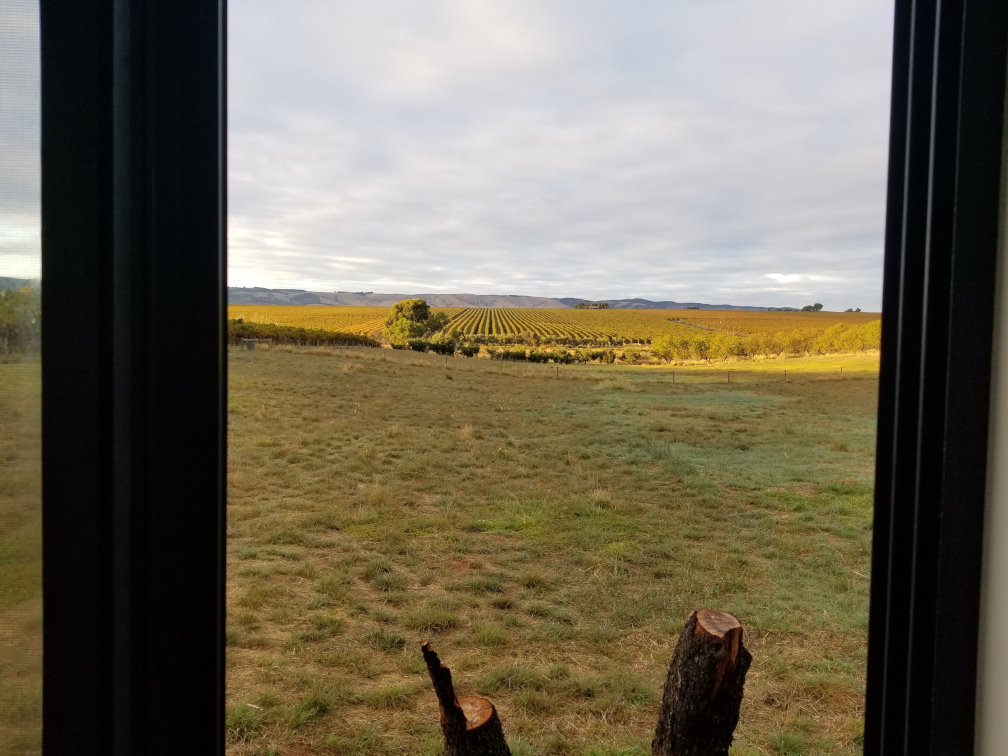
View of the vineyards from the kitchen bench window
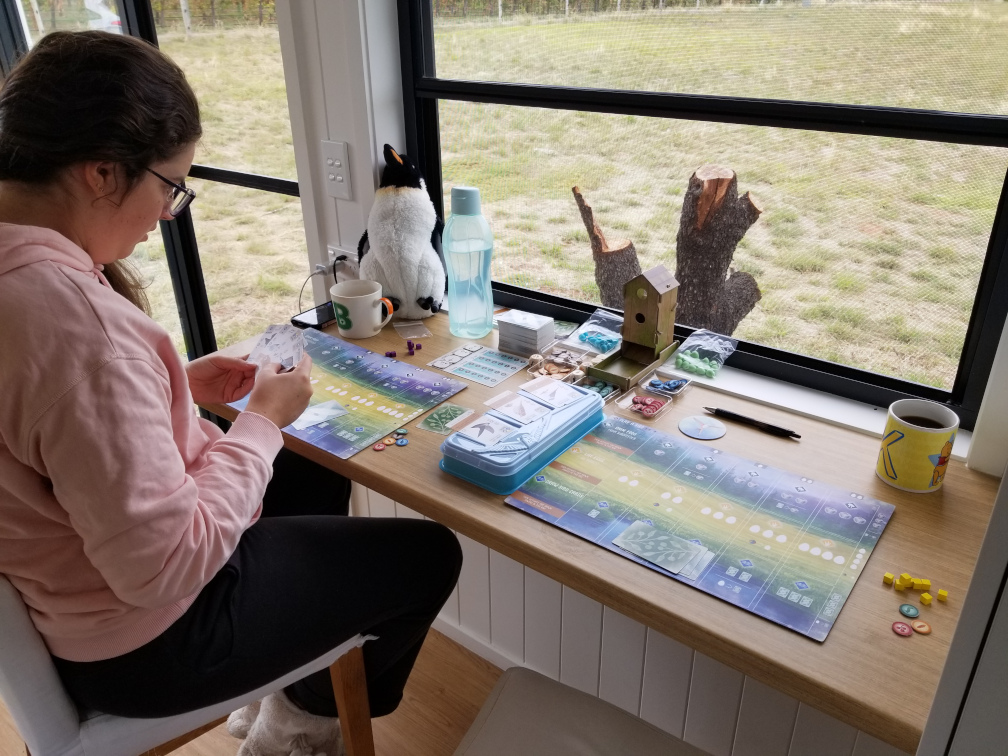
My partner and me enjoying a game of Wingspan
In the classic Essentialism: The Disciplined Pursuit of Less - a book I hold in high esteem - Greg McKeown describes this example of what he considers to be a well-designed New York apartment:
[W]hen Graham Hill moved into a 420-square-foot apartment in New York, he wanted to see how well he could condense everything he owned. The ultimate result was a design he calls a “little jewel box.” The jewel box works because every piece of furniture has multiple functions. The wall on the left, for example, acts as a large projector screen for watching movies and also houses two guest beds that can be pulled out when visitors come to stay. The wall to the right folds down, over the couch, to reveal a queen bed. Everything does double or triple duty…
I think this approach is misguided. What happens when visitors want to lie in bed and watch a movie? Because the “watch a movie” system and the “visitors’ beds” system are interlocking, it becomes impossible to use both systems independently.
And here I might be showing my age, but I’m reminded of the days before broadband internet. For the first 12 years of my life, we had dial-up internet - to use the internet, you had to first disconnect the phone line. The “internet” system and the “telephone” system interacted unnecessarily. Making heavy use of either system would have been inefficient because of downstream impacts on the other system. I’m grateful that Australia is, for the most part, past all that.
The solution? Reduce interacting parts. Reducing unnecessary interactions and dependencies between systems - the movie system and the guest bed system, or the internet system and the telephone system - is a key way to remove friction.